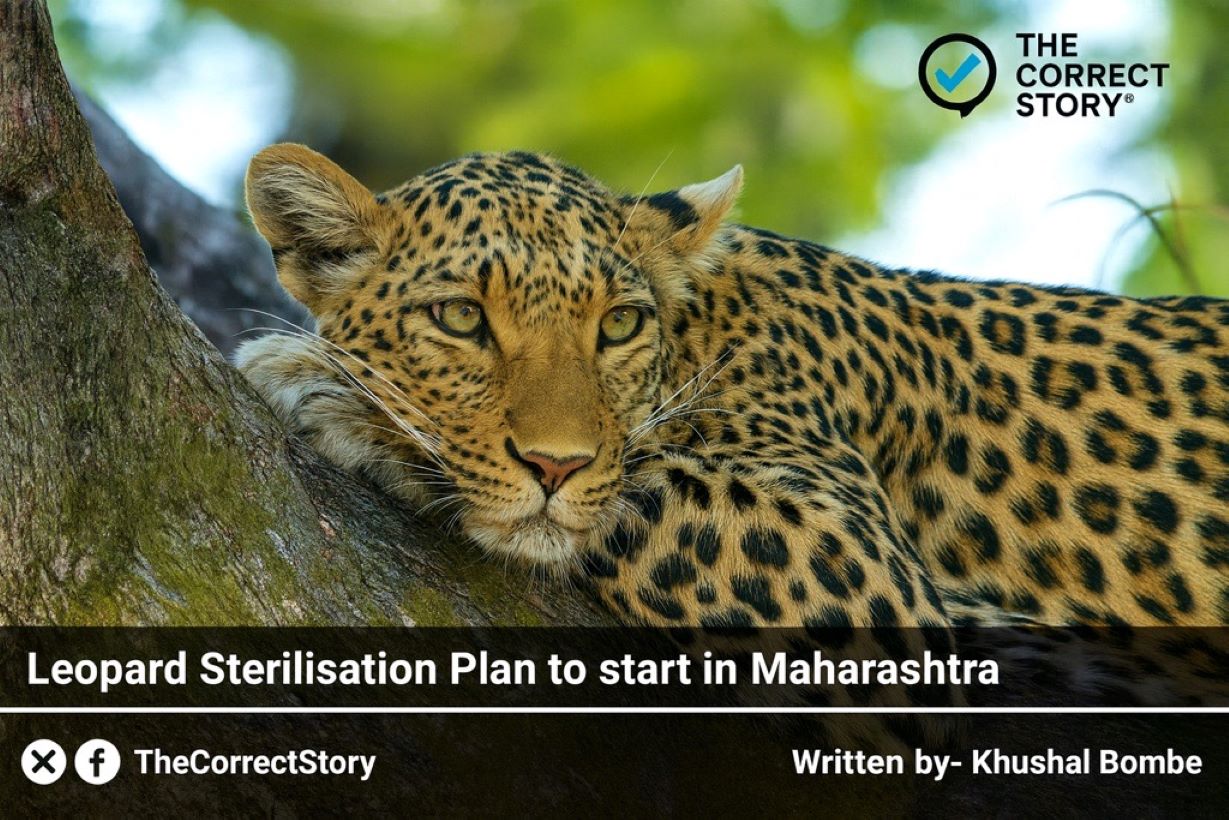
Why Pimparkhed is a Suitable Location for a Leopard Rescue and Rehabilitation Centre: Ground Reality, Conservation Needs, and Future Possibilities
Beyond safety, this initiative has the potential to drive positive economic and educational development. A well-managed, transparent, scientifically supervised rescue centre can evolve into a hub for conservation learning, wildlife tourism, and research.
The Pimparkhed region and nearby villages have experienced a sharp increase in leopard presence in recent years. The dense vegetation, valleys, sugarcane fields, and availability of water sources together create an environment naturally suitable for leopards to thrive. However, this ecological suitability has led to a significant rise in human-wildlife interaction. The unfortunate leopard attacks that claimed two lives in Pimparkhed were not just isolated incidents; they shook the emotional, social, and psychological foundation of the entire community.
In response, villagers united to demand solutions that would be meaningful and sustainable. They sought not merely temporary measures or verbal assurances, but a transformative step toward safety and coexistence. This is where the proposal of establishing a Leopard Rescue and Rehabilitation Centre in Pimparkhed naturally emerged.
The idea aligns well with ecological logic. Since the region already mirrors a leopard’s natural habitat, rehabilitation within the same ecosystem minimizes stress on the animals and increases the success rate of adaptation. Instead of transporting leopards long distances to unfamiliar environments, addressing the issue at the source is more effective and humane.
A key advantage is that adequate forest land is available locally for such a center. This means that captured or rescued leopards can be transferred quickly, without delays, reducing immediate risks to villagers. The closer the rescue facility, the faster the response, and the lower the danger.
Beyond safety, this initiative has the potential to drive positive economic and educational development. A well-managed, transparent, scientifically supervised rescue centre can evolve into a hub for conservation learning, wildlife tourism, and research. Such a centre would generate employment for local youth, encourage eco-tourism-based businesses, and foster a renewed relationship between humans and nature.
However, for this to be successful, the process must be handled responsibly. Official approval, scientific planning, community involvement, and accountability are essential. A rescue centre is not merely an enclosure of cages; it is a commitment to ethical coexistence, protection of wildlife, and safeguarding of human lives.
Pimparkhed has endured loss and fear, but it also holds the potential to become a model of solution-driven conservation. The unity shown by its people and their grounded understanding of the issue is its greatest strength. If this centre is established thoughtfully, Pimparkhed could become a leading example of how communities and wildlife can coexist with respect, balance, and shared space for the future.